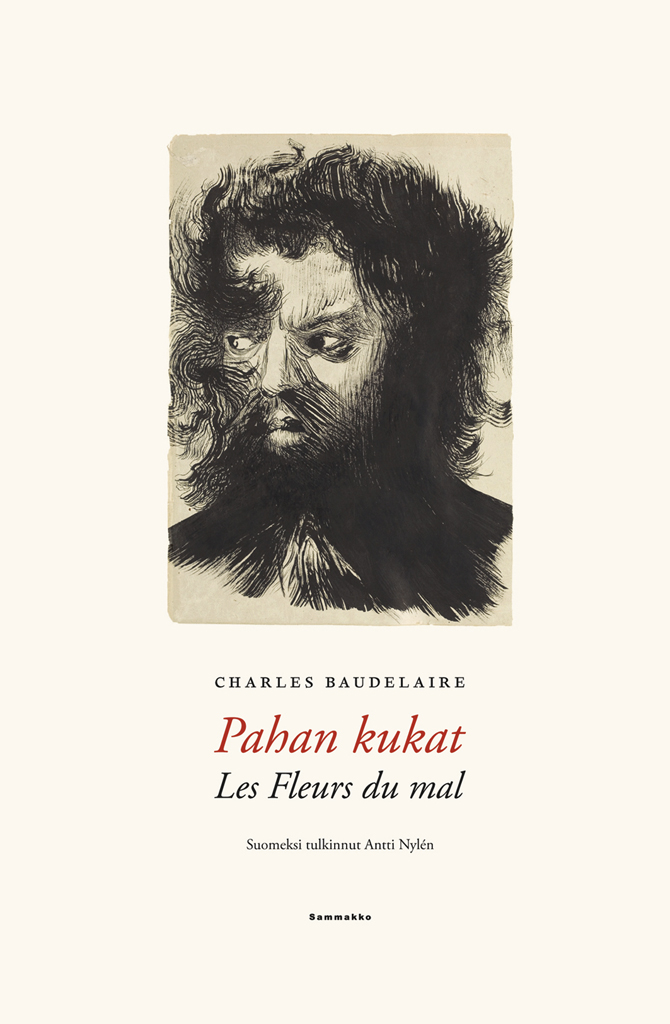
Charles Baudelairen (1821–1867) Pahan kukat on modernin kirjallisuuden perusteoksia. Siinä pääsee kuuluville joukko tunteita ja kokemuksia, jotka aiemmin olivat jääneet runouden piirin ulkopuolelle. Pahan kukat on epäilyn, ahdistuksen, katumuksen, halun ja oudon kauneudenjanon yksityiskohtainen, kärsivällinen, kiihkeä dokumentti nykyajan alkutaipaleelta. "Tähän kauheaan kirjaan minä olen pannut koko sydämeni, kaiken hellyyteni, kaiken uskoni (valepuvussa), kaiken vihani", kirjoitti runoilija kirjeessään elämänsä lopulla. Dramaattinen, rakenteeltaan harkittu runoteos julkaistaan nyt ensimmäistä kertaa lyhentämättömänä suomennoksena. Teos sisältää ranskankielisen rinnakkaistekstin ja selitysosan.
Charles Baudelairen (1821–1867) Pahan kukat on modernin kirjallisuuden perusteoksia. Siinä pääsee kuuluville joukko tunteita ja kokemuksia, jotka aiemmin olivat jääneet runouden piirin ulkopuolelle. Pahan kukat on epäilyn, ahdistuksen, katumuksen, halun ja oudon kauneudenjanon yksityiskohtainen, kärsivällinen, kiihkeä dokumentti nykyajan alkutaipaleelta.
"Tähän kauheaan kirjaan minä olen pannut koko sydämeni, kaiken hellyyteni, kaiken uskoni (valepuvussa), kaiken vihani", kirjoitti runoilija kirjeessään elämänsä lopulla.
Dramaattinen, rakenteeltaan harkittu runoteos julkaistaan nyt ensimmäistä kertaa lyhentämättömänä suomennoksena. Teos sisältää ranskankielisen rinnakkaistekstin ja selitysosan.
Antti Nylénin varsin vapaasti suomeksi tulkitsema runokokoelma on juuri sellaista rönsyilevän tunteikasta niin kauneuden kuin rumuuden kuvailua kuin 1800-luvun puolivälin ranskalaiselta runoudelta osaa odottaakin.
Perfume and Ashes: My Descent into Baudelaire’s The Flowers of Evil
5 stars
Reading The Flowers of Evil by Charles Baudelaire felt like wandering through a cathedral built from shadows and perfume. Every poem seemed to whisper something forbidden, something beautiful wrapped in rot. I didn’t just read this collection — I fell into it.
From the first lines, I was struck by Baudelaire’s refusal to flinch. He doesn’t hide from decay, lust, guilt, or despair. He confronts them head-on, then distills them into verses that feel both classical and defiantly modern. The beauty of his language clashes with the darkness of his themes — and that contradiction is where the poems become unforgettable.
I was especially moved by the way Baudelaire treats suffering not as something to escape, but as a gateway to deeper insight. His explorations of sin and redemption, love and death, made me feel uncomfortable in the best way. I found myself questioning my own ideas of …
Reading The Flowers of Evil by Charles Baudelaire felt like wandering through a cathedral built from shadows and perfume. Every poem seemed to whisper something forbidden, something beautiful wrapped in rot. I didn’t just read this collection — I fell into it.
From the first lines, I was struck by Baudelaire’s refusal to flinch. He doesn’t hide from decay, lust, guilt, or despair. He confronts them head-on, then distills them into verses that feel both classical and defiantly modern. The beauty of his language clashes with the darkness of his themes — and that contradiction is where the poems become unforgettable.
I was especially moved by the way Baudelaire treats suffering not as something to escape, but as a gateway to deeper insight. His explorations of sin and redemption, love and death, made me feel uncomfortable in the best way. I found myself questioning my own ideas of beauty, of morality, even of poetry itself.
There were moments I had to pause, to let a single stanza echo. Others left me disturbed, even a little seduced. Baudelaire writes with a voice that feels centuries old and painfully current.
The Flowers of Evil isn’t just a book of poems — it’s a confrontation. And I’m glad I didn’t look away.